A home resistance-band brand with three products: a yoga mat, a long loop band and a three-level mini band. One content set that serves two customer groups: people rehabbing a lower back and rebuilding their kinetic chain, and people after muscle tone and endurance.
The deliverables: a training poster people can actually read, and one demo video per exercise for the website, product pages and social. No coach availability, no studio, no shoot day.
Check the exercises before making any picture. Four exercises on the first poster were wrong: a glute-bridge cue that would hurt the lower back, a “Good Morning” drawn as an RDL, external rotation at far too much resistance, and a triceps push-down with no anchor to do it from. A pretty picture of a wrong movement is the brand's liability.
No new demonstrators. Use existing IP. An and Kai come from Urban Anomalies; a change of sportswear and they are on set. The same characters across projects, no face drift. That is the recognisable, reusable demonstrator a brand wants.
A wide shot where only the arms move reads as a dead scene to the system. The judge held back 9 of 23 clips. Frame by frame, 8 of them were correct; the threshold was wrong. Fix the threshold, no regeneration, zero cost to recover.
The knee side plank took four attempts. The model's default for “side plank” is the straight-leg version and “knees bent” does not override it. Describing it joint by joint, “like sitting in a chair on your side”, did.
A training poster: two plans of 12 exercises each with sets, reps and cues, print or download. 23 demo clips, locked camera, one set, one demonstrator, one outfit, plus four compilations arranged by training day, ready for the website, product pages and social.
Kick-off to delivery: one day. Generation cost about US$60. New exercises, new equipment or a new outfit later, and the demonstrator does not have to be recast. For equipment brands, gyms and physio clinics: your product with a demonstrator who never takes a day off and never changes face, with every movement checked by a human.
Spec work, self-initiated.
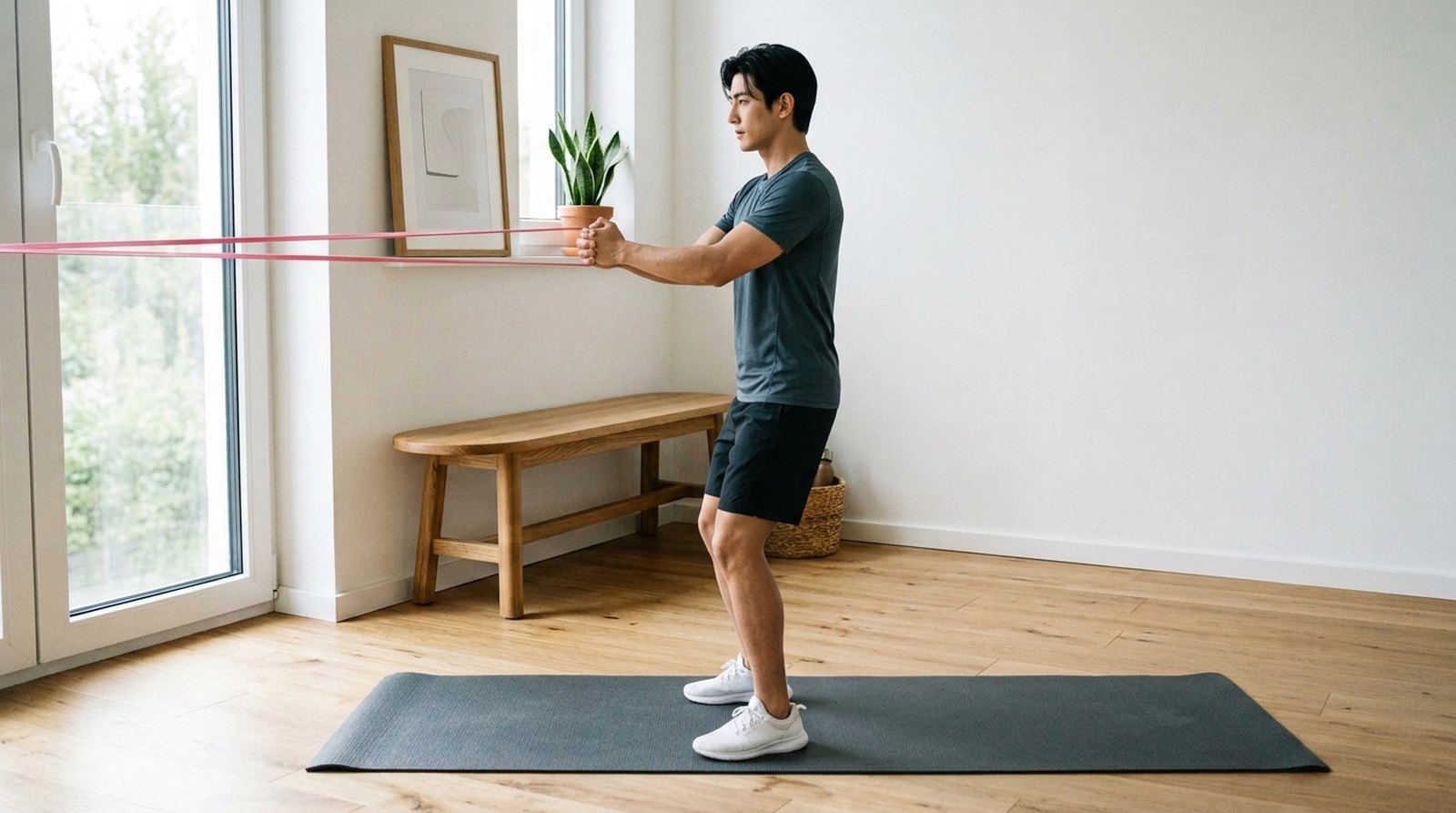
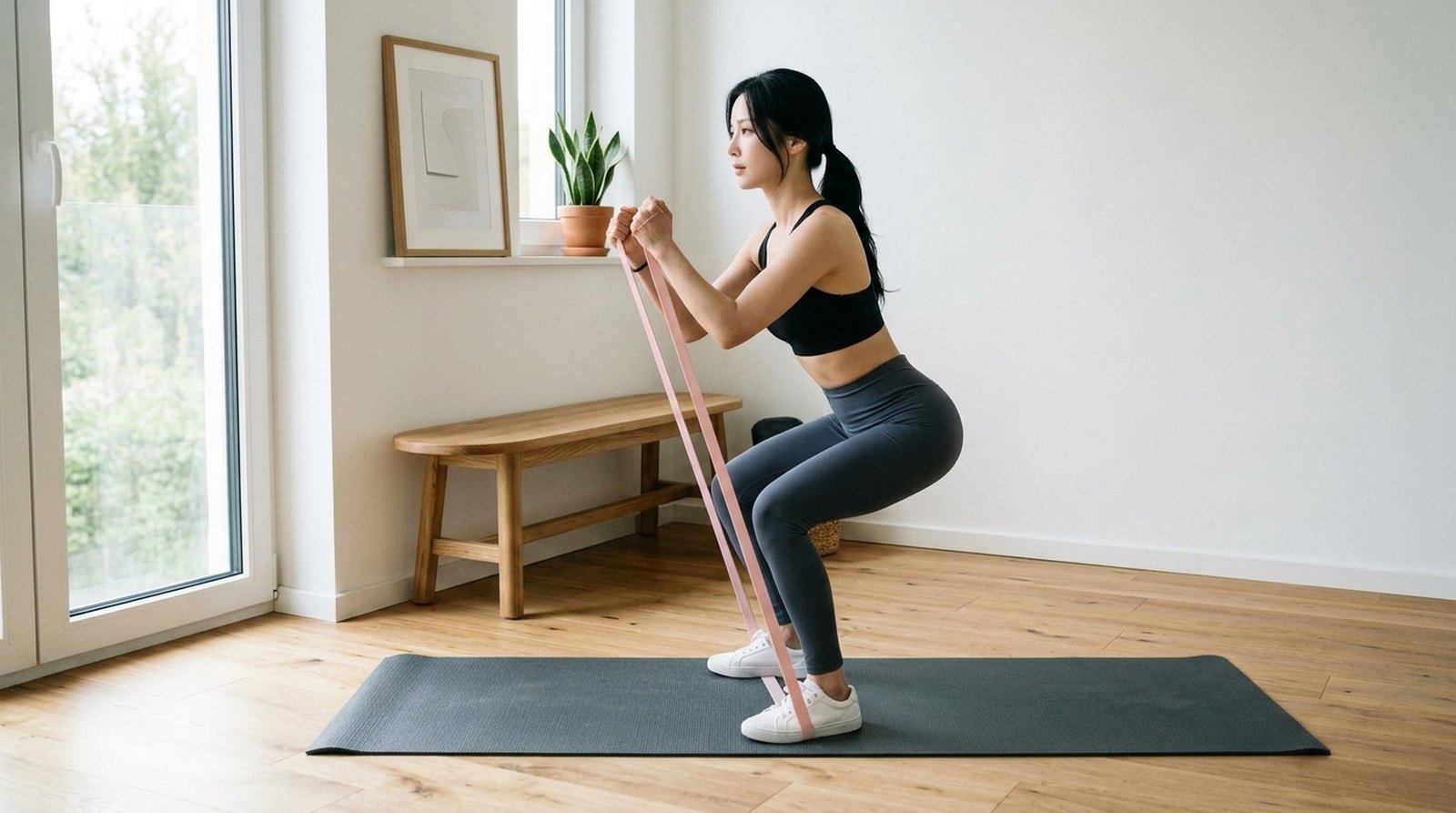
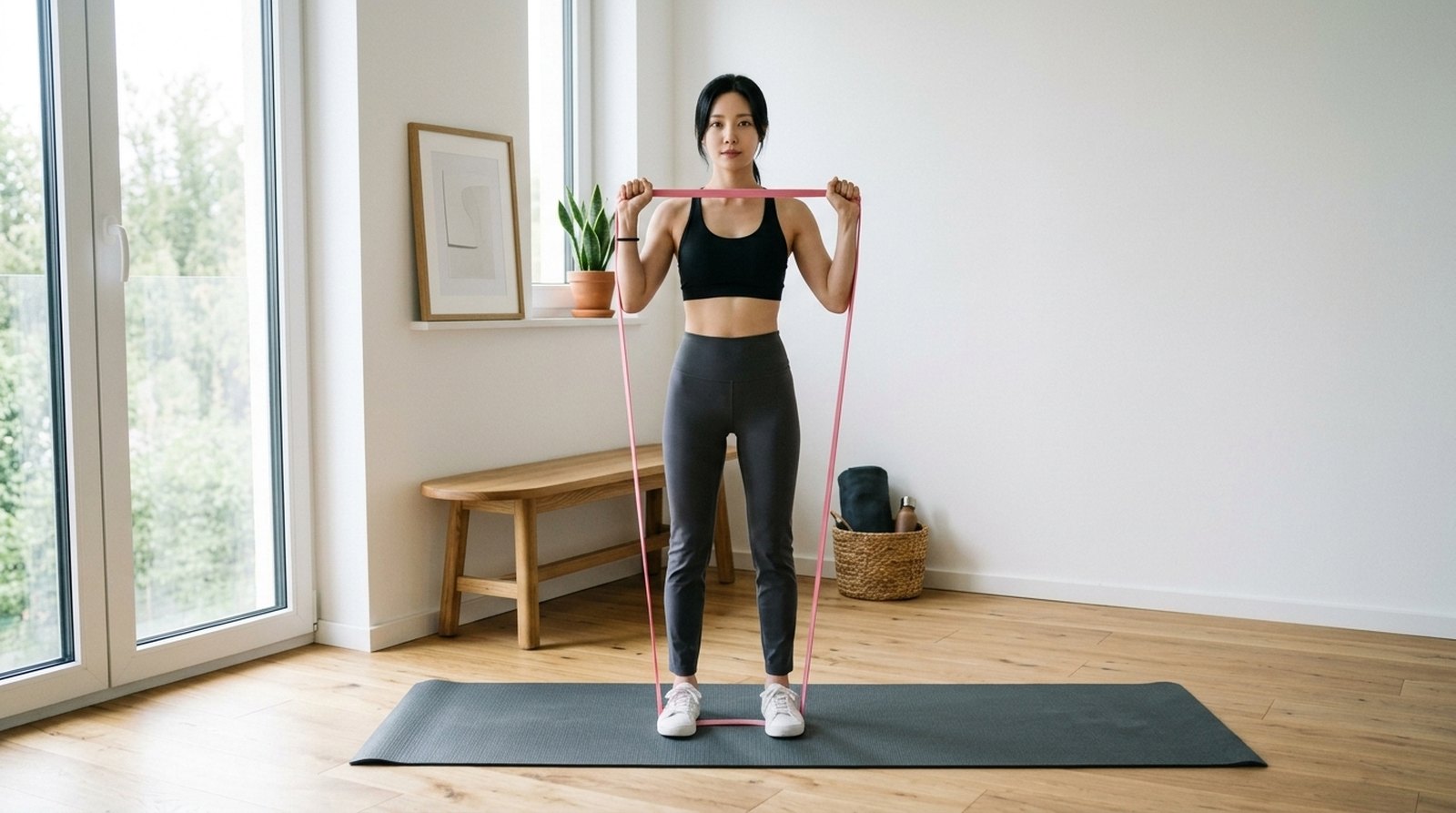
All exercises · 3'09" · 16:9 · each clip generated on its own, locked camera · stills below are the first frame of each clip
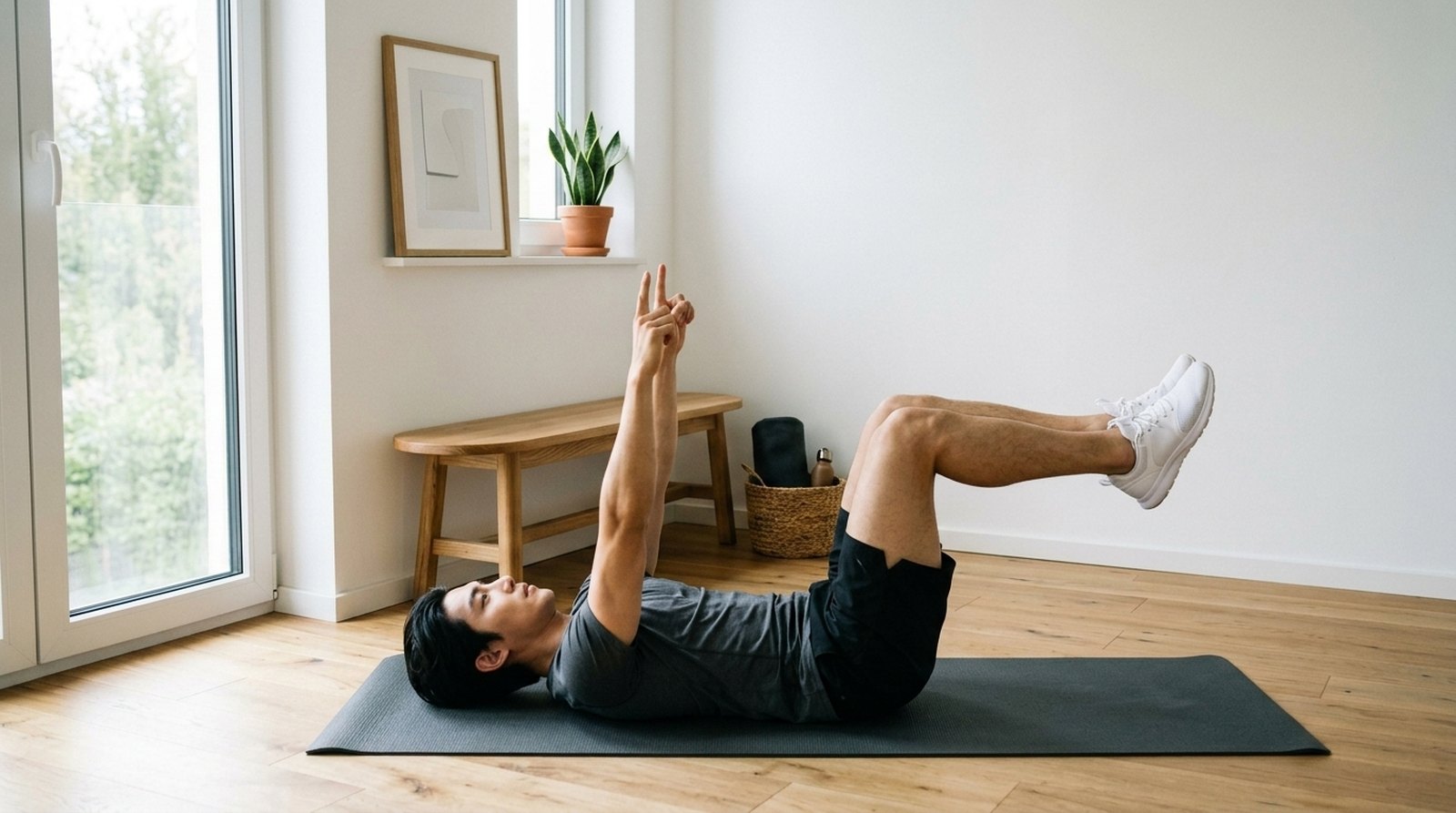
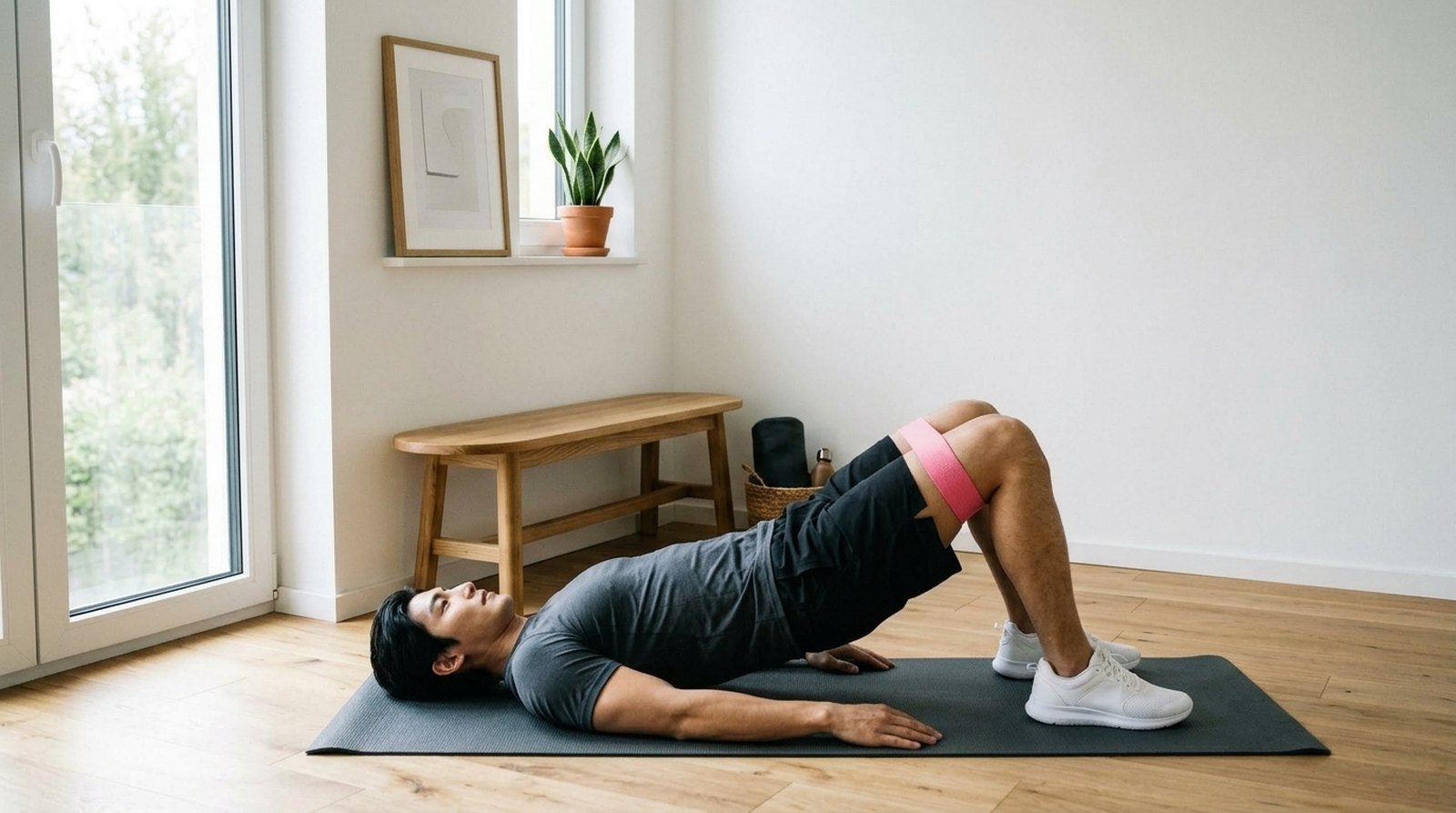
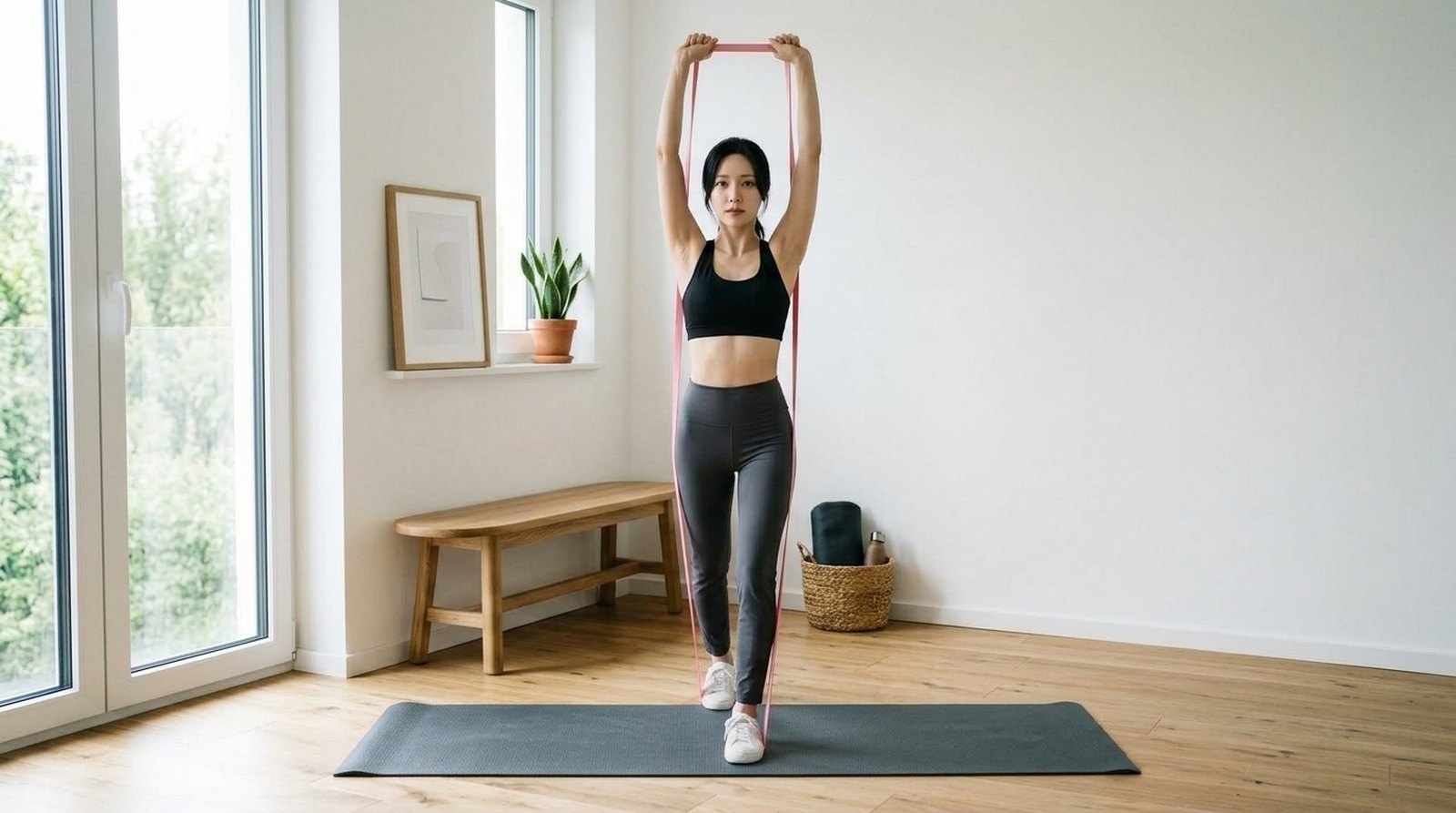
In a demo video the craft is whether the movement is right, not whether the picture is pretty. Three kinds of rejection, one example each.
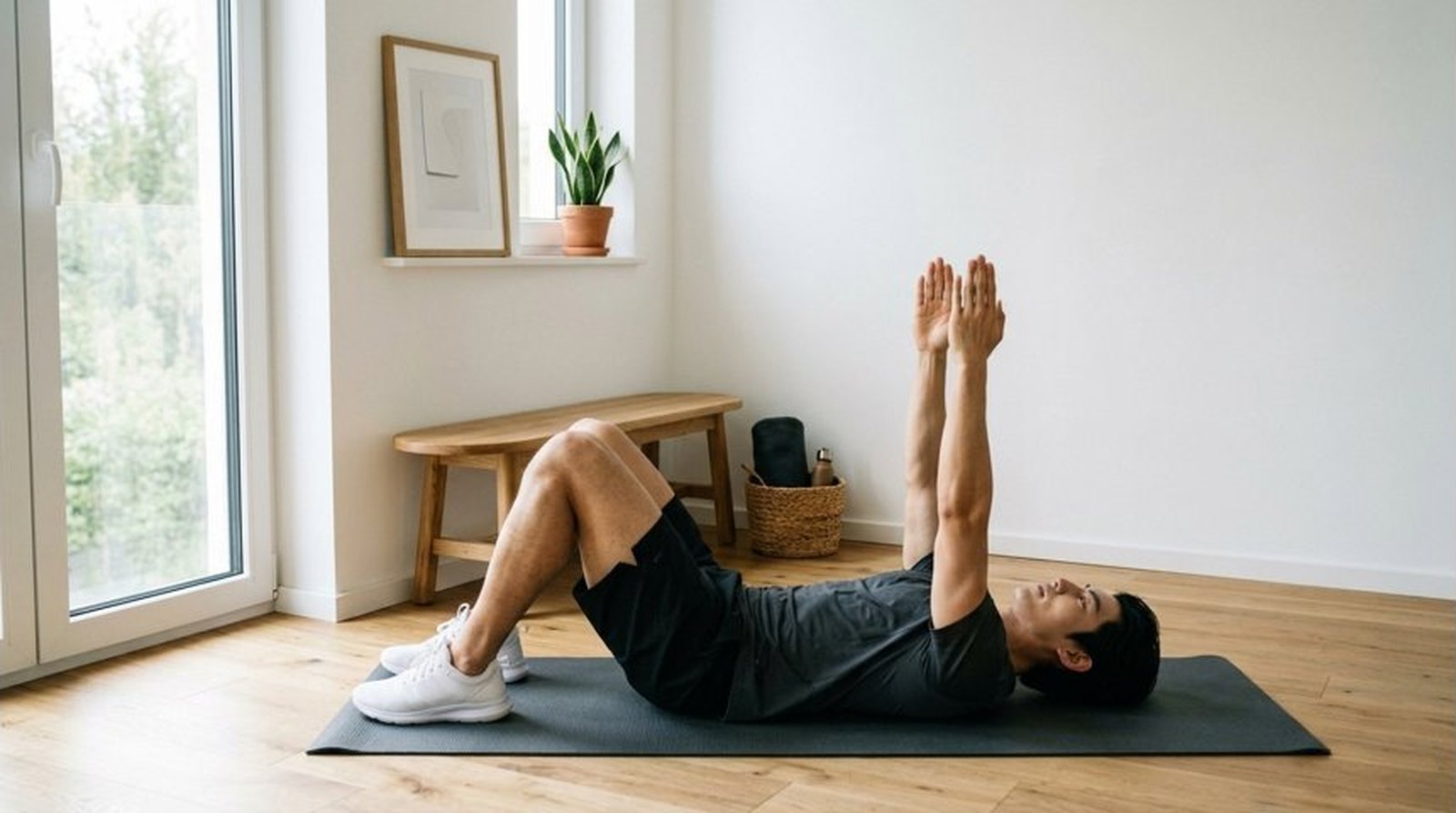
Wrong start positionA dead bug starts with both feet off the floor. The reference showed start and end frames together and the model picked the wrong one. Cropped to one frame and regenerated.
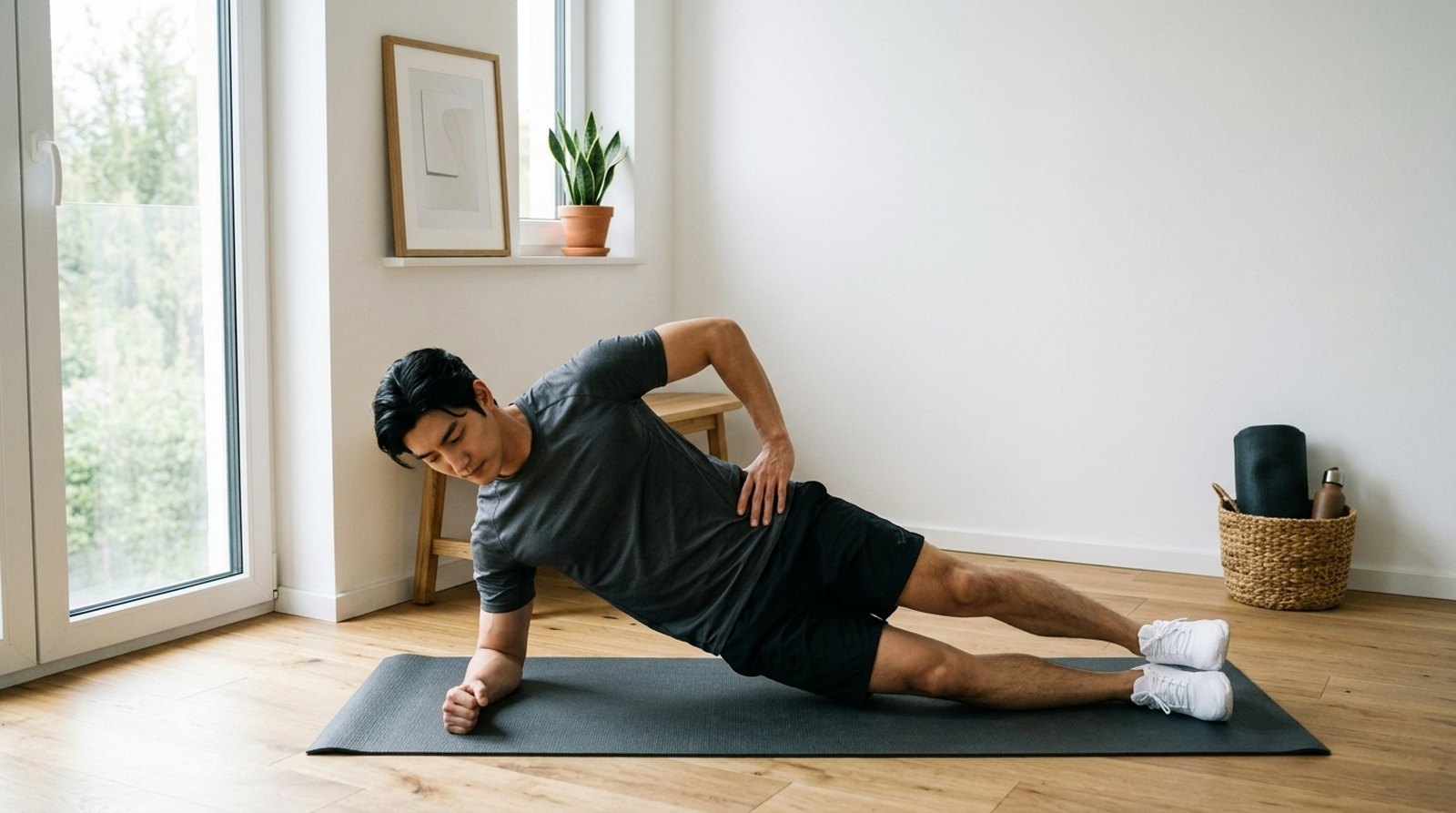
The model default beat the specThe plan calls for the knee version. The model’s default side plank is straight-legged; it took four attempts. Describing it joint by joint finally gave the knee-supported version.
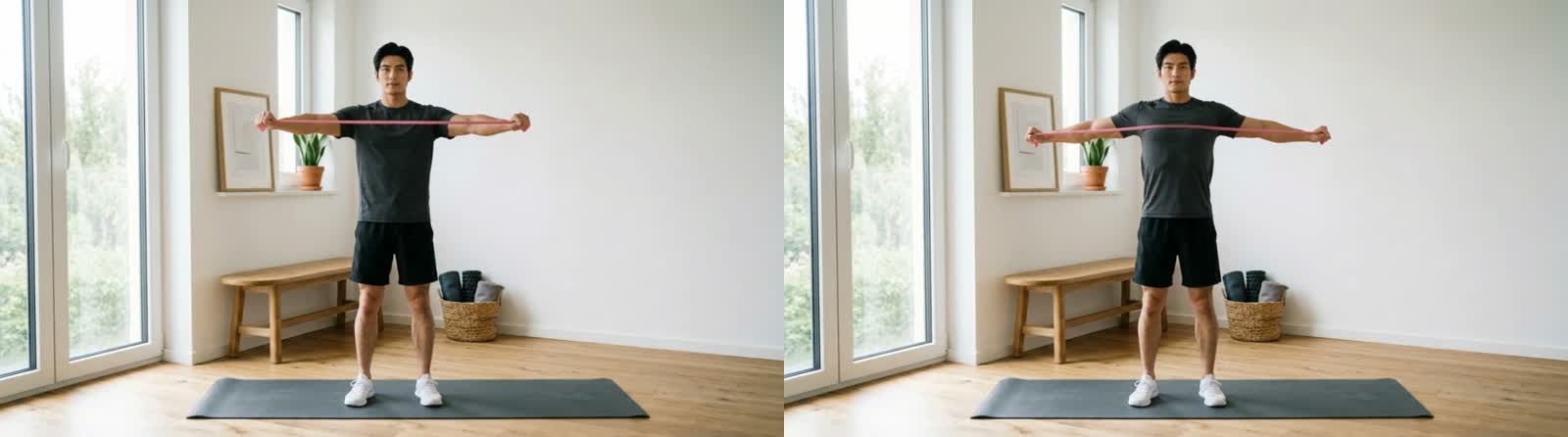
Wrong threshold, not a wrong clipA wide shot where only the arms open and close has too little pixel motion for the threshold, so the system called it static. Frame by frame the movement is correct. Threshold changed, no regeneration.
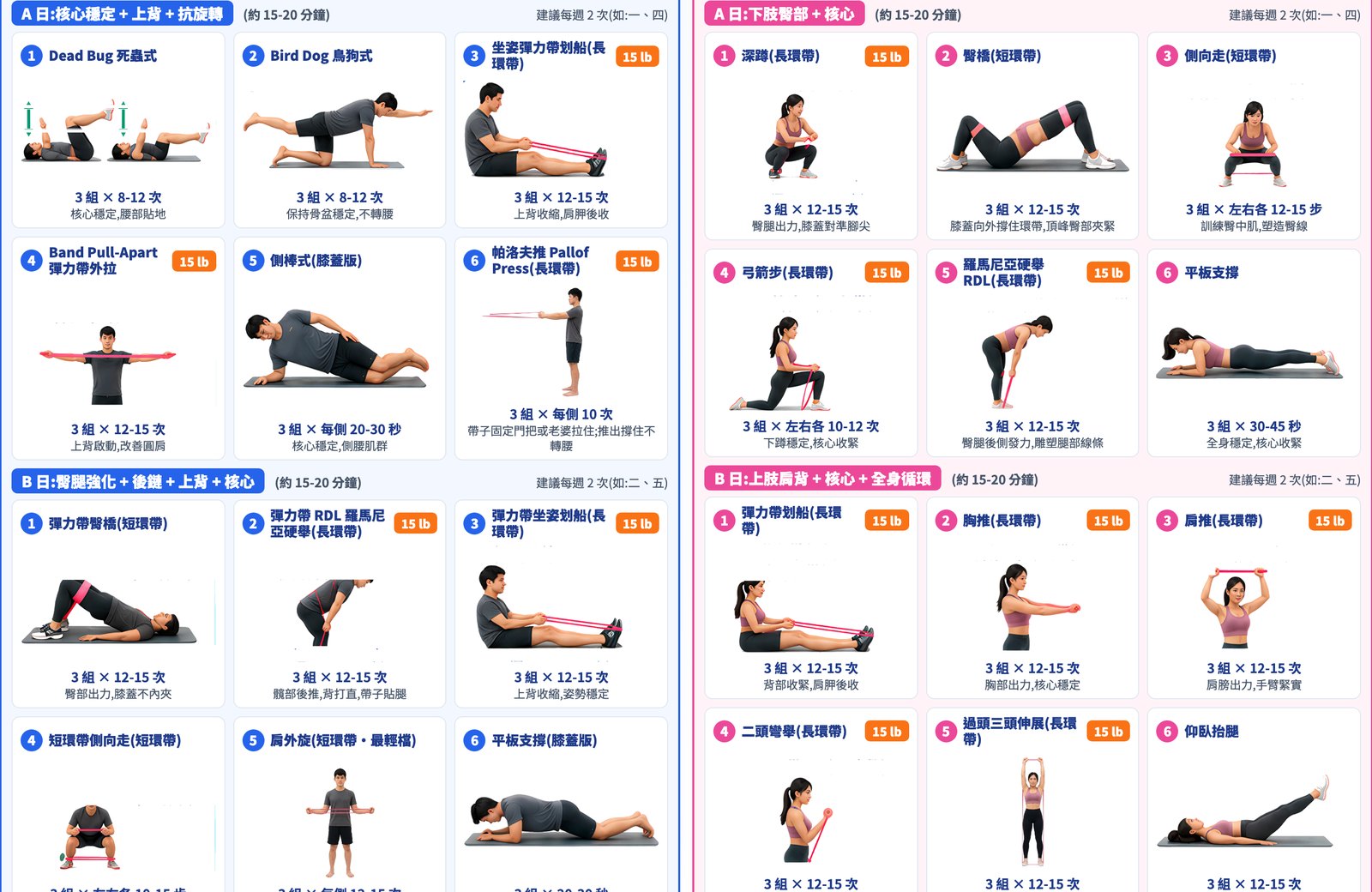
Poster · two plans, 24 exercises
The first draft had four wrong exercises. Reviewed cell by cell, figures upscaled and cropped from the original, missing ones generated with the same figure.
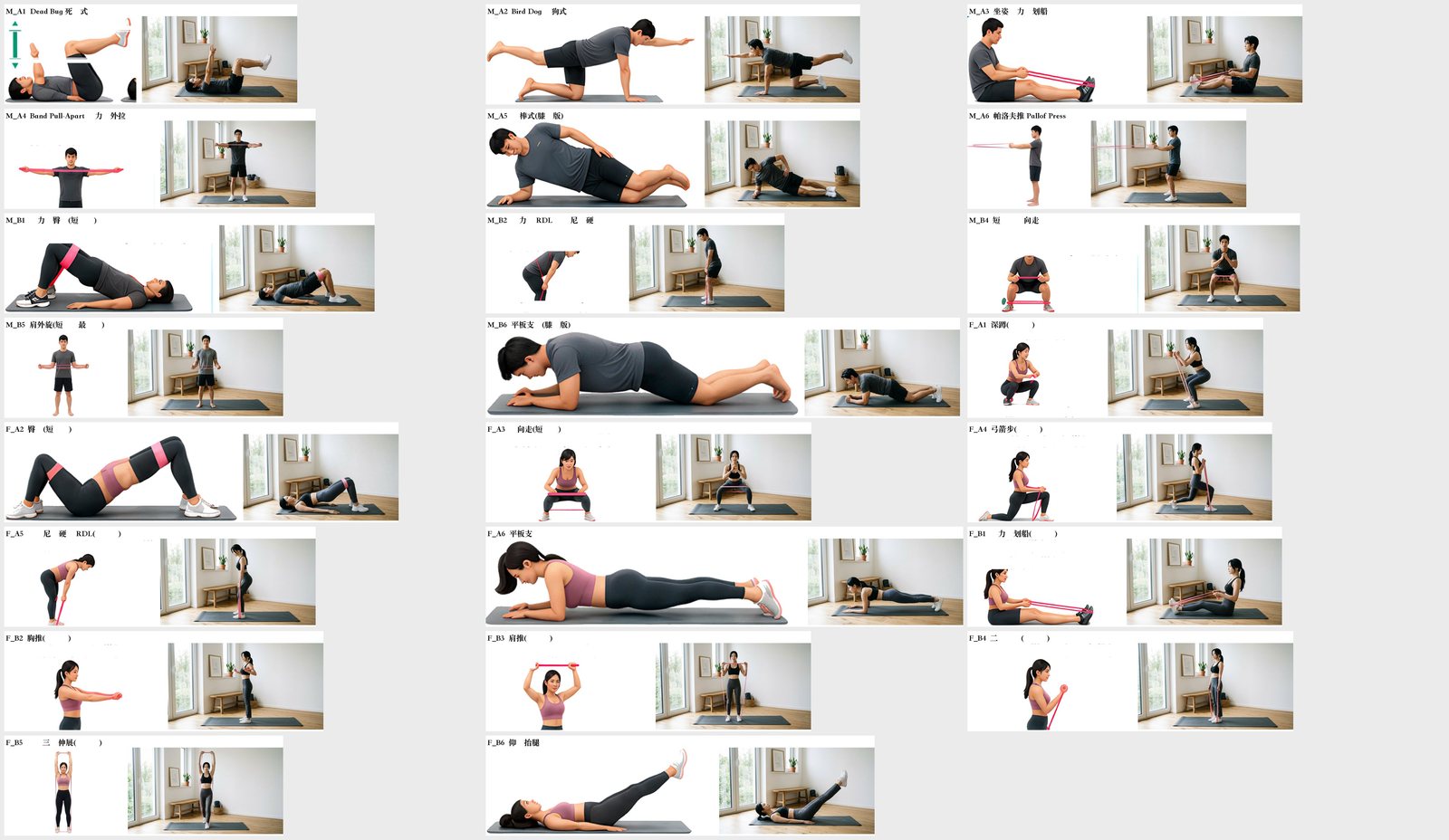
23 keyframes · poster pose left, first frame right
Every keyframe passed a proportion check and a human eye before any video was generated. Pose from the poster, face from the character, outfit from the spec.